Subscription form test
This is a test page but the subscription form works very well. You can also renew your registration or join us for the first time by going to the Subscription […]

This is a test page but the subscription form works very well. You can also renew your registration or join us for the first time by going to the Subscription […]
The 12th IMPR will be a FULLY ONLINE CONFERENCE accessible to all IPS members, September 8 –11, 2021. Exceptionally this time, the conference will be carried out in the frame of
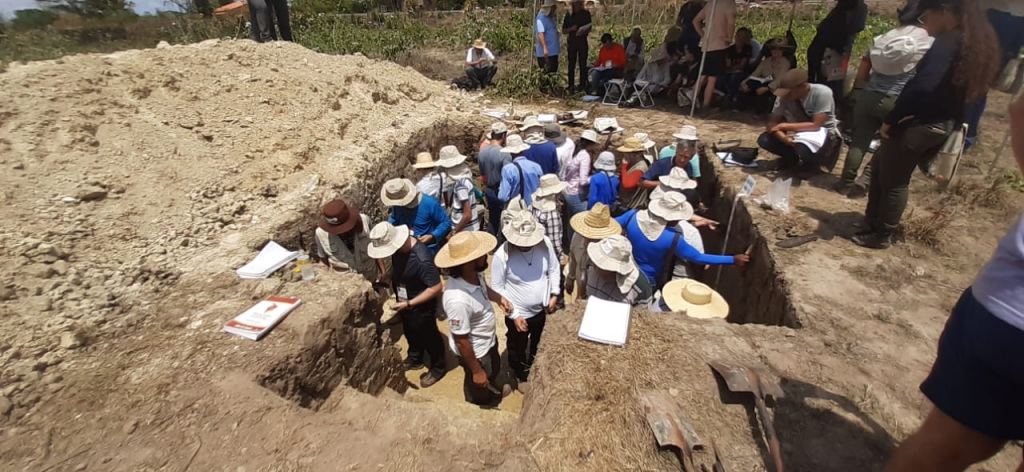
Phytoliths and Soil Classification have many things in common!!!!! The use of a multiproxy approach to understand vegetation changes and the genesis of soils in Neotropical regions constitutes an area

The International Committee for Phytolith Taxonomy has worked hard !… The new international code for phytolith nomenclature is now available. We encourage all phytolith researchers to use it from now
Caroline Strömberg and Tim Gallaher developed a machine learning and computer vision (ML&CV) tool for automatically identifying grass silica short cell phytoliths (GSSCP). To make this tool better than a
Marcia Calegari proposes a workshop,this august, in Marechal Cândido Rondon, Brasil. More details in the document: workshop-brasil
Dear IPS members, The election period is now over and I am pleased to formally announce the results and congratulate our new IPS board members: President-elect Doris Barboni (23 votes)

Portillo, M., Ball, T.B., Wallace, M., Murphy, C., Pérez-Díaz, S., Ruiz-Alonso, M., Aceituno, F. J., López-Sáez, J. A. 2019. Advances in morphometrics in archaeobotany. Environmental Archaeology: the Journal of Human
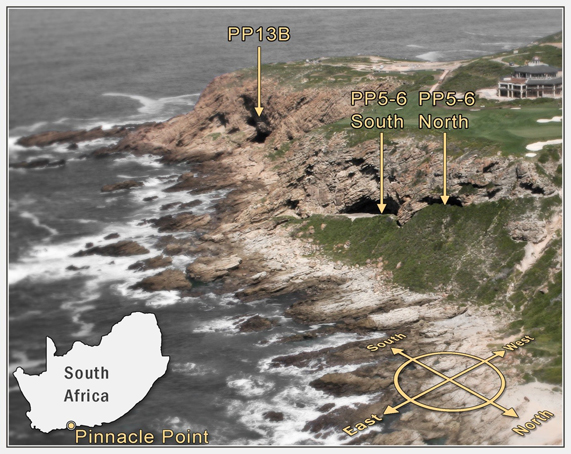
Esteban I, Marean CW, Fisher EC, Karkanas P, Cabanes D, Albert RM (2018) Phytoliths as an indicator of early modern humans plant gathering strategies, fire fuel and site occupation intensity
Chad L. Yost, Lily J. Jackson, Jeffery R. Stone, Andrew S. Cohen, 2018. Journal of Human Evolution, v. 116, p. 75-94. Our study uses phytoliths and microcharcoal from lake sediments